Vitamin A and D Foods: The Best Natural Sources to Boost Your Health
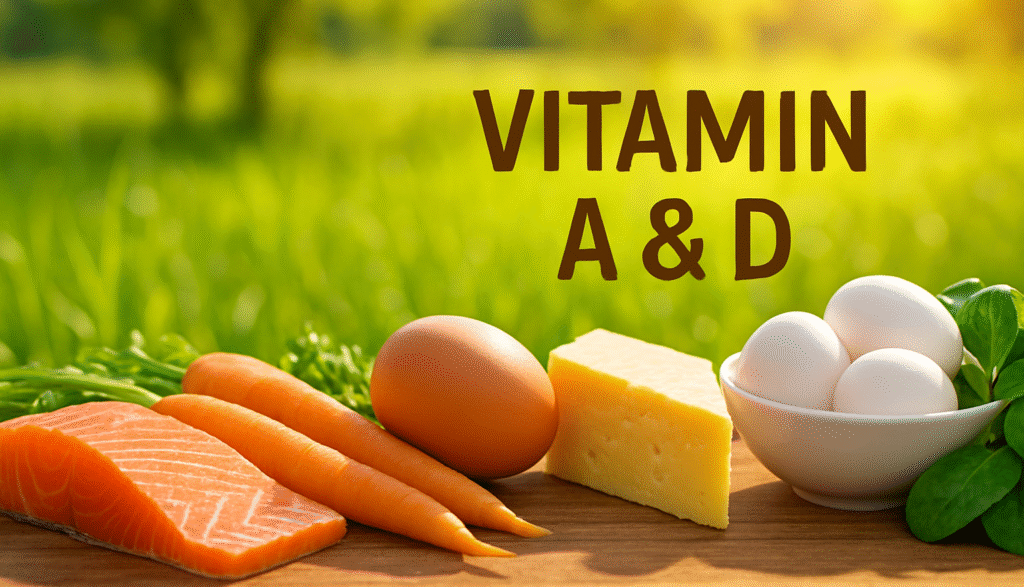
Your body requires essential vitamins to function properly and maintain optimal health, and two of the most critical nutrients are vitamin A and vitamin D. These fat-soluble vitamins play major roles in numerous physiological processes including vision, immune function, bone health, and even mood regulation. Despite their importance, most people do not obtain adequate amounts of these vitamins from their daily meals, creating widespread deficiencies that can significantly impact wellbeing. Understanding the best food sources of vitamins A and D empowers you to make informed dietary choices that support your long-term health naturally and effectively. Learn why vitamin D deficiency persists even in summer and discover other common nutrient deficiencies.
Table of Contents
Why Vitamin A and D Matter for Your Health
What Does Vitamin A Do?
Vitamin A is a fat-soluble vitamin that performs numerous essential functions throughout your body, making it absolutely critical for maintaining health from head to toe. This versatile nutrient influences multiple systems simultaneously, and deficiency can create cascading health problems.
Key functions of vitamin A include:
- Eye health and vision: Vitamin A is essential for producing rhodopsin, a protein in your eyes that enables you to see in low-light conditions. It helps prevent night blindness and supports overall visual function. The retina requires constant vitamin A supply to function properly
- Immune system support: This vitamin helps maintain the integrity of mucous membranes in your respiratory, digestive, and urinary tracts, serving as your body's first line of defense against pathogens. It also supports the development and function of white blood cells that fight infections
- Skin and tissue health: Vitamin A promotes healthy skin cell production and turnover, keeping your skin smooth and helping wounds heal properly. It maintains the health of all epithelial tissues throughout your body
- Reproduction and fetal development: Adequate vitamin A is crucial for reproductive health in both men and women. During pregnancy, it supports proper fetal development, particularly of the heart, lungs, kidneys, eyes, and bones
- Gene expression: Vitamin A influences which genes are turned on or off in your cells, affecting growth, development, and cellular differentiation
Understanding the two types of vitamin A:
Preformed vitamin A (retinol) is the active form found in animal products like liver, fish, eggs, and dairy. Your body can use this form immediately without conversion, making it highly bioavailable and efficient.
Provitamin A carotenoids (primarily beta-carotene) are found in colorful fruits and vegetables like carrots, sweet potatoes, spinach, and red peppers. Your body must convert these plant compounds into active vitamin A, and conversion efficiency varies significantly between individuals. Generally, you need to consume about 12 micrograms of beta-carotene to produce 1 microgram of retinol.
What About Vitamin D?
Vitamin D, often called the "sunshine vitamin" because your skin produces it when exposed to sunlight, is another fat-soluble nutrient with profound impacts on multiple body systems. While traditionally recognized for bone health, research continues revealing additional critical roles.
Essential functions of vitamin D include:
- Calcium and phosphorus absorption: Vitamin D is absolutely necessary for your intestines to absorb calcium and phosphorus from food efficiently. Without adequate vitamin D, you cannot maintain healthy bones regardless of calcium intake
- Bone health and strength: By facilitating calcium absorption and regulating calcium levels in blood, vitamin D prevents bone softening diseases like rickets in children and osteomalacia in adults, and reduces osteoporosis risk
- Muscle function: Adequate vitamin D supports muscle strength and coordination, reducing fall risk in older adults. Deficiency is associated with muscle weakness and pain
- Immune system regulation: Vitamin D modulates both innate and adaptive immune responses, helping your body fight infections while preventing excessive inflammation and autoimmune reactions
- Mood and mental health: Receptors for vitamin D exist throughout the brain, and the vitamin influences neurotransmitter production. Low levels are associated with increased risk of depression and seasonal affective disorder
- Cardiovascular health: Vitamin D helps regulate blood pressure and may reduce heart disease risk through multiple mechanisms
The two forms of vitamin D:
Vitamin D2 (ergocalciferol) comes from plant sources, particularly mushrooms exposed to UV light, and fortified foods. While effective, it is generally less potent and shorter-acting than D3.
Vitamin D3 (cholecalciferol) is found in animal-based foods like fatty fish, egg yolks, and liver, and is the form your skin produces from sunlight. D3 is more effective at raising and maintaining blood levels of vitamin D compared to D2.
Get Latest Updates!
Join our newsletter for expert health tips, supplement guides, and top-rated Amazon deals!
Foods High in Vitamin A: Animal and Plant Sources
Obtaining adequate vitamin A through dietary sources is entirely achievable when you know which foods to prioritize. Both animal and plant-based options provide vitamin A, though in different forms with different bioavailability.
Animal-Based Sources (Preformed Vitamin A)
- Beef liver: 3 ounces provides 6,582 mcg RAE (731% DV) - one of the richest sources available
- Cod liver oil: 1 tablespoon contains 4,080 mcg RAE (453% DV) plus vitamin D
- Egg yolks: One large egg provides 75 mcg RAE (8% DV) along with protein and healthy fats
- Butter from grass-fed cows: 1 tablespoon offers 95 mcg RAE (11% DV)
- Whole milk: 1 cup contains 112 mcg RAE (12% DV)
- Cheddar cheese: 1 ounce provides 75 mcg RAE (8% DV)
- Salmon: 3 ounces offers 59 mcg RAE (7% DV)
Plant-Based Sources (Beta-Carotene)
- Sweet potatoes: 1 medium baked provides 1,403 mcg RAE (156% DV)
- Carrots: 1 medium raw carrot contains 509 mcg RAE (57% DV)
- Spinach: 1 cup cooked offers 943 mcg RAE (105% DV)
- Kale: 1 cup cooked provides 885 mcg RAE (98% DV)
- Red bell peppers: 1 medium contains 187 mcg RAE (21% DV)
- Butternut squash: 1 cup cooked offers 1,144 mcg RAE (127% DV)
- Cantaloupe: 1 cup cubed provides 270 mcg RAE (30% DV)
- Mango: 1 medium fruit contains 112 mcg RAE (12% DV)
Pro Tip for Maximum Absorption: Because vitamin A is fat-soluble, consuming it alongside healthy fats dramatically improves absorption. When eating plant-based vitamin A sources, pair them with olive oil, avocado, nuts, seeds, or other fat sources. For example, drizzle olive oil on your spinach salad, add avocado to your sweet potato, or eat carrots with hummus. This simple strategy can increase vitamin A absorption by several times.
Foods High in Vitamin D: Rare but Powerful Sources
Vitamin D presents a unique challenge because very few foods naturally contain significant amounts of this essential nutrient. This scarcity makes strategic food choices and supplementation particularly important for maintaining adequate status.
Animal-Based Vitamin D Foods
- Fatty fish (the champions):
- Salmon (wild-caught): 3 ounces provides 570 IU (14 mcg) - 95% DV
- Mackerel: 3 ounces contains 360 IU (9 mcg) - 60% DV
- Sardines: 2 sardines offer 46 IU (1.2 mcg) - 8% DV
- Trout: 3 ounces provides 645 IU (16 mcg) - 108% DV
- Tuna (canned): 3 ounces contains 40 IU (1 mcg) - 7% DV
- Cod liver oil: 1 tablespoon delivers 1,360 IU (34 mcg) - 227% DV, making it one of the most concentrated sources
- Egg yolks: One large egg provides 44 IU (1.1 mcg) - 7% DV. Eggs from chickens given vitamin D-enriched feed contain much more
- Beef liver: 3 ounces offers 42 IU (1 mcg) - 7% DV plus vitamin A
- Fortified dairy products: 1 cup fortified milk contains 115-120 IU (3 mcg) - 19-20% DV. Check labels as fortification varies
Plant-Based and Fortified Vitamin D Options
- UV-exposed mushrooms: Mushrooms treated with UV light can provide significant vitamin D2. Portobello mushrooms exposed to UV light may contain 400-800 IU per 3-ounce serving. Regular mushrooms without UV treatment contain minimal vitamin D
- Fortified plant milks: Almond, soy, oat, and other plant milks are often fortified with 100-120 IU per cup. Always check labels as fortification is not universal
- Fortified orange juice: Some brands provide 100 IU per cup
- Fortified cereals and oatmeal: Many breakfast cereals are fortified with 40-100 IU per serving. Check nutrition labels
- Fortified tofu: Some brands fortify tofu with vitamin D, providing 80-120 IU per serving
Important Reality Check: Even with careful dietary planning, meeting vitamin D needs through food alone is extremely challenging for most people. A cup of fortified milk provides only about 20% of your daily needs, and you would need to eat fatty fish almost daily to meet requirements through food. This is why sensible sun exposure (10-30 minutes several times weekly) and supplementation are often necessary components of maintaining optimal vitamin D status.
How Much Vitamin A and D Do You Need Daily?
Understanding your specific requirements for vitamins A and D helps you set appropriate intake goals and assess whether your current diet meets your needs.
| Vitamin | Recommended Daily Intake (Adults) | Upper Limit (Tolerable UL) |
|---|---|---|
| Vitamin A | Men: 900 mcg RAE (3,000 IU) Women: 700 mcg RAE (2,333 IU) Pregnancy: 770 mcg RAE Breastfeeding: 1,300 mcg RAE |
3,000 mcg RAE (10,000 IU) from preformed vitamin A. No limit for beta-carotene from plants |
| Vitamin D | Adults 19-70: 600 IU (15 mcg) Adults 71+: 800 IU (20 mcg) Pregnancy/Breastfeeding: 600 IU (15 mcg) |
4,000 IU (100 mcg) per day. Many experts suggest optimal intake may be higher than RDA |
Critical Safety Note on Vitamin A: While vitamin A is essential, excessive intake of preformed vitamin A (retinol) from supplements or concentrated sources like liver can be toxic, causing liver damage, bone loss, birth defects during pregnancy, and other serious health problems. The tolerable upper limit is 3,000 mcg RAE (10,000 IU) daily for adults. Plant-based beta-carotene does not carry this toxicity risk because your body only converts what it needs. Always consult your healthcare provider before taking high-dose vitamin A supplements, especially if you are pregnant or planning pregnancy.
Signs You Might Be Deficient in Vitamin A or D
Recognizing the warning signs of vitamin A and D deficiency empowers you to take corrective action before serious health consequences develop. Both deficiencies are more common than many people realize, and symptoms can be subtle initially.
Vitamin A Deficiency Symptoms
Vitamin A deficiency is relatively rare in developed countries but can occur in people with absorption disorders, restrictive diets, or certain health conditions. Watch for these warning signs:
- Night blindness (nyctalopia): Difficulty seeing in dim light or darkness is often the earliest sign of vitamin A deficiency. Your eyes need vitamin A to adjust between bright and low light conditions
- Dry eyes (xerophthalmia): Inadequate tear production leading to dry, irritated eyes. In severe cases, this can progress to corneal damage and blindness
- Dry, rough, or scaly skin: Vitamin A deficiency disrupts normal skin cell production, leading to thickened, dry patches particularly on arms and thighs
- Acne and skin problems: Vitamin A regulates oil production and cell turnover; deficiency can worsen acne and other skin conditions
- Frequent infections: Weakened immune function makes you more susceptible to respiratory, urinary, and other infections
- Poor wound healing: Cuts and scrapes take longer to heal properly
- Reproductive problems: Difficulty conceiving or maintaining pregnancy
- Delayed growth in children: Inadequate vitamin A impairs normal growth and development
If you experience several of these symptoms, particularly night blindness or frequent infections, request vitamin A testing from your healthcare provider. Blood tests can measure retinol levels and assess your status accurately.
Vitamin D Deficiency Symptoms
Vitamin D deficiency is extremely common, affecting an estimated 1 billion people worldwide. Many people have inadequate levels without realizing it because symptoms can be vague and develop gradually.
- Bone pain and tenderness: Aching bones, particularly in the back, hips, and legs, may indicate insufficient vitamin D for proper calcium metabolism
- Muscle weakness and pain: Difficulty climbing stairs, getting up from seated positions, or unexplained muscle aches throughout the body
- Chronic fatigue and low energy: Persistent tiredness that does not improve with rest
- Frequent illness or infections: Getting sick often, particularly respiratory infections like colds and flu
- Depression and mood changes: Low mood, seasonal affective disorder, or clinical depression may be linked to inadequate vitamin D
- Impaired wound healing: Slow recovery from injuries or surgical procedures
- Bone loss and fractures: Reduced bone density (osteopenia or osteoporosis) and increased fracture risk
- Hair loss: Thinning hair or excessive shedding may indicate deficiency
- Cognitive impairment: Difficulty concentrating, memory problems, or brain fog
Because vitamin D deficiency is so prevalent and symptoms overlap with many conditions, testing is worthwhile for most people. The 25-hydroxy vitamin D blood test measures your status accurately. Optimal levels are generally considered 30-60 ng/mL (75-150 nmol/L), though some experts recommend 40-60 ng/mL for best health outcomes.
The Latest Tips and News!
Join Us to Get Latest News About Vitamins and Minerals!
Should You Take Vitamin A and D Supplements?
While obtaining nutrients from whole foods should always be your first priority, supplementation can be beneficial or even necessary in certain circumstances. The decision depends on your individual situation, diet quality, sun exposure, health status, and laboratory test results.
When Vitamin A Supplementation May Help
Most people in developed countries obtain adequate vitamin A through a varied diet including animal products or colorful fruits and vegetables. However, supplementation may be appropriate if you have digestive disorders like Crohn's disease, celiac disease, or cystic fibrosis that impair fat absorption; follow a very restrictive diet low in both animal products and colorful produce; have liver disease affecting vitamin A storage; are pregnant or breastfeeding with inadequate dietary intake; or have documented vitamin A deficiency confirmed by blood testing.
Important caution: Do not supplement with high-dose vitamin A without medical supervision. Excessive preformed vitamin A is toxic and can cause serious health problems. Beta-carotene supplements are safer but may not be necessary if you eat vegetables regularly. If you take a multivitamin, check that it does not exceed 100% of the daily value for vitamin A.
When Vitamin D Supplementation Makes Sense
Unlike vitamin A, vitamin D supplementation is appropriate for most people given the difficulty of obtaining adequate amounts through food and the limitations of sun exposure for many individuals. Consider supplementing if you have limited sun exposure due to indoor lifestyle, clothing coverage, or living in northern latitudes; have darker skin which requires more sun exposure to produce vitamin D; are older (skin efficiency declines with age); are overweight or obese (vitamin D is sequestered in fat tissue); have digestive conditions impairing fat absorption; take medications that interfere with vitamin D metabolism; have documented vitamin D deficiency or insufficiency; or simply want to ensure optimal status for disease prevention.
Most experts recommend that adults consider taking 1,000 to 2,000 IU (25 to 50 mcg) of vitamin D3 daily as a safe, effective maintenance dose. Those with documented deficiency may need higher doses initially (typically 5,000 to 10,000 IU daily for several months) under medical supervision to replenish stores, followed by maintenance dosing.
Top-Rated Vitamin A and D Supplements on Amazon
NOW Supplements Vitamin A 10,000 IU from Fish Liver Oil: This supplement provides preformed vitamin A in a dose suitable for addressing deficiency under medical supervision. The 10,000 IU dose equals the tolerable upper limit, so use only as directed by a healthcare provider. Best for those with documented deficiency or severe absorption issues.
👉 NOW Supplements Vitamin A 10,000 IUNatureWise Vitamin D3 5,000 IU (125 mcg): This highly-rated vitamin D3 supplement provides an optimal dose for correcting deficiency or maintaining healthy levels. The 5,000 IU dose is safe for daily use for most adults and more effective than lower doses at raising blood levels. Non-GMO and gluten-free.
👉 NatureWise Vitamin D3 5,000 IUCarlson Cod Liver Oil - Vitamin A and D Combination: This traditional supplement provides both vitamins A and D in their natural forms from cod liver oil, along with beneficial omega-3 fatty acids. One teaspoon delivers approximately 850 IU vitamin A and 400 IU vitamin D. Excellent quality with lemon flavor to mask fish taste.
👉 Carlson Cod Liver Oil - A+D ComboSupplement Safety Guidelines:
- Always choose vitamin D3 (cholecalciferol) over D2 for better effectiveness
- Take fat-soluble vitamins A and D with meals containing dietary fat for optimal absorption
- Store supplements in cool, dry places away from direct sunlight
- Check expiration dates and discard outdated products
- Inform your healthcare provider about all supplements you take
- Get blood tests to monitor levels, especially if taking higher doses
- Do not exceed recommended doses without medical supervision
- Be particularly cautious with vitamin A during pregnancy
Final Thoughts: Simple Steps to Optimize Your Vitamin A and D Intake
Ensuring adequate intake of vitamins A and D does not require complicated meal plans, expensive exotic foods, or overwhelming lifestyle changes. Instead, success comes from implementing a few strategic, sustainable habits that become second nature over time.
Your action plan for optimizing vitamin A and D status can be remarkably straightforward when you focus on these evidence-based strategies. Start by adding more colorful vegetables and leafy greens to every meal. The vibrant orange, red, and deep green colors signal high beta-carotene content that your body converts to vitamin A. Think sweet potatoes, carrots, red peppers, spinach, kale, and butternut squash. These foods are delicious, versatile, and packed with numerous beneficial nutrients beyond just vitamin A.
Include fatty fish in your diet several times weekly. Salmon, mackerel, sardines, and trout provide both vitamin D and healthy omega-3 fatty acids that support heart and brain health. If fresh fish is not accessible or affordable, canned options like sardines and salmon work excellently and are often more budget-friendly. For vegetarians, UV-exposed mushrooms offer some vitamin D, though supplementation becomes more important.
Get sensible sun exposure by spending 10 to 20 minutes in direct sunlight several times per week without sunscreen on your face, arms, and legs. This brief exposure allows your skin to produce substantial vitamin D without significantly increasing skin cancer risk. The exact time needed varies based on your skin tone, geographic location, season, and time of day. Those with darker skin need longer exposure. Always avoid burning, and apply sunscreen if you will be in the sun longer.
Consider high-quality supplements when needed, particularly for vitamin D. Given the challenges of obtaining adequate vitamin D through food and sun exposure alone, especially during winter months or for people with limited outdoor time, supplementation is often the most practical solution. Choose vitamin D3 over D2, and take it with a meal containing fat. For vitamin A, most people get enough from food, but those with absorption issues or restrictive diets may benefit from supplementation under medical guidance.
Pair your vitamin A-rich foods with healthy fats to maximize absorption. Drizzle olive oil on your salad, add avocado to your sweet potato, eat carrots with hummus, or cook your spinach in butter or ghee. This simple strategy dramatically increases how much vitamin A your body actually absorbs and uses from plant foods.
Get tested to remove guesswork from the equation. Blood tests for vitamins A and D are widely available and relatively inexpensive. Testing establishes your baseline, identifies deficiencies that need correction, and allows you to monitor whether your dietary changes and supplementation strategies are working effectively. Most people are surprised by their results and find testing motivates them to make necessary changes.
Your Week-by-Week Action Plan:
- Week 1: Add one vitamin A-rich vegetable to your daily meals (carrots, sweet potato, or spinach)
- Week 2: Start getting 15 minutes of midday sun exposure three times weekly
- Week 3: Include fatty fish in two meals this week
- Week 4: Schedule blood tests to check your vitamin A and D status
- Week 5: Based on test results, start an appropriate vitamin D3 supplement if needed
- Week 6: Make these changes permanent habits and retest in 8-12 weeks
Remember that optimizing your vitamin A and D status is not about achieving perfection or following rigid rules. It is about understanding what your body needs, recognizing the best sources of these essential nutrients, and implementing practical strategies that fit sustainably into your lifestyle. Small, consistent actions compound over time to produce significant improvements in your nutritional status and overall health.
These two vitamins play absolutely critical roles in maintaining your vision, immune function, bone strength, mood stability, and countless other processes that determine how you feel and function every day. For an even deeper immune boost, research shows that pairing vitamin D with K2 produces superior outcomes for both bone density and immune resilience. Deficiencies are common, symptoms can be subtle, and many people live with inadequate levels for years without realizing the impact on their health and quality of life.
The good news is that correcting deficiencies and maintaining optimal status is entirely achievable through strategic food choices, sensible sun exposure, and appropriate supplementation when necessary. The foods rich in vitamins A and D are nutritious, delicious, and beneficial in numerous ways beyond just providing these specific vitamins. By prioritizing these foods and following the guidelines in this article, you invest in your immediate wellbeing and your long-term health outcomes.
Take action today by choosing one or two strategies from this guide to implement immediately. Perhaps you will add sweet potato to tonight's dinner, schedule time for a midday walk in the sunshine, order a vitamin D supplement, or call your doctor to request testing. Whatever first step you choose, you will be moving in the right direction toward optimal vitamin A and D status and the enhanced health and vitality that comes with it.
Your body depends on these essential nutrients to function properly. Give it what it needs through informed dietary choices, smart lifestyle habits, and appropriate supplementation. Our supplement finder lets you filter vitamin A and D products by form, diet type, and price. The benefits to your vision, bones, immune system, mood, and overall health make this effort one of the most worthwhile investments you can make in yourself.