Source of Vitamin B12 for Vegetarians: Complete Guide
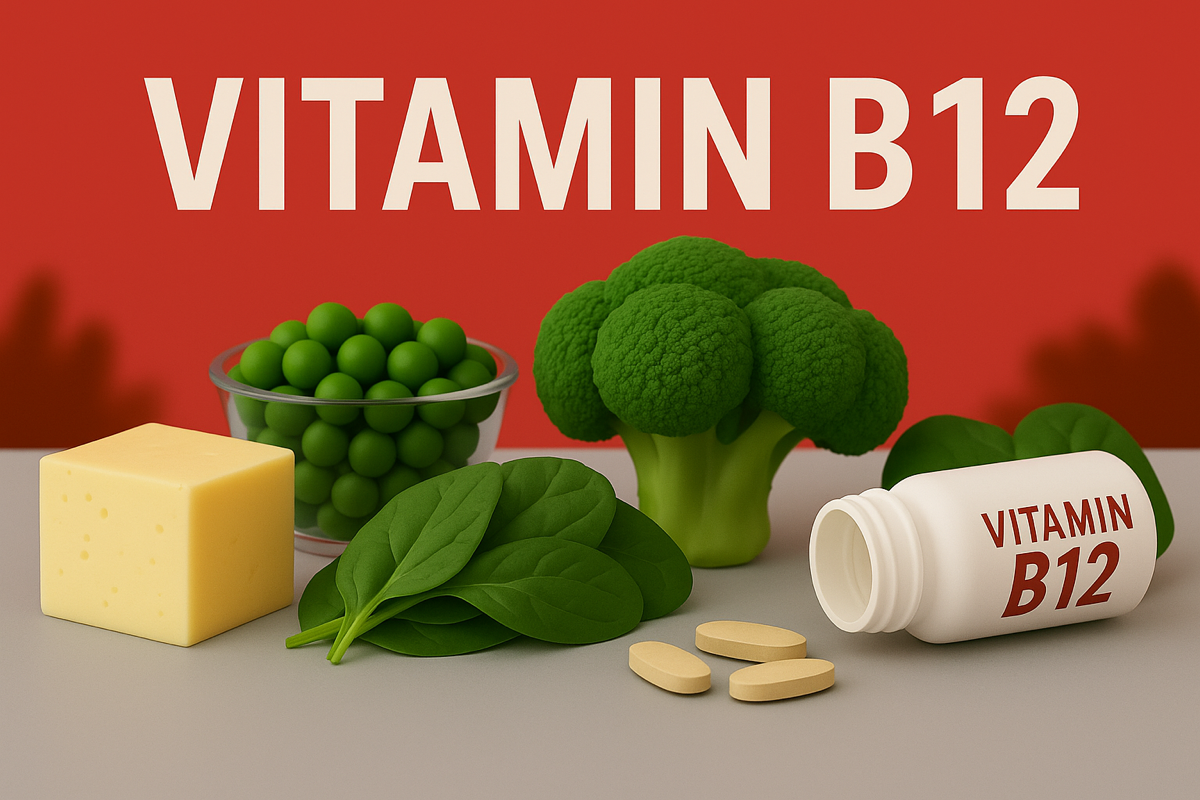
If you have eliminated meat and fish from your diet, you are probably feeling quite positive about your health choices until someone inevitably asks, "But what about vitamin B12?" This question might sound alarmist, but it actually raises a legitimate nutritional concern that every vegetarian and vegan should take seriously. Vitamin B12 stands out as one of the very few essential nutrients that vegetarians genuinely cannot easily obtain from typical plant-based foods. The reason is straightforward: B12 is found almost exclusively in animal products like meat, eggs, and dairy. But before you panic, here is the good news. You absolutely can get enough B12 without consuming animals; you simply need to be more strategic and intentional about your approach. Vegetarians also need to pay attention to iron absorption and other mineral deficiencies.
Table of Contents
Why Is Vitamin B12 So Important for Your Health?
Vitamin B12, scientifically known as cobalamin, is an essential water-soluble vitamin that performs numerous critical functions throughout your body. Understanding what B12 does and why it matters so profoundly can help motivate you to prioritize this often-overlooked nutrient in your vegetarian or vegan lifestyle.
Essential functions of vitamin B12:
- Red blood cell formation: B12 is absolutely necessary for producing healthy red blood cells that carry oxygen throughout your body. Without adequate B12, you develop abnormally large, dysfunctional red blood cells that cannot transport oxygen efficiently, leading to megaloblastic anemia
- DNA synthesis: Every time your cells divide and replicate, they need B12 to accurately copy your genetic material and create new cells properly
- Brain and nerve function: B12 maintains the protective myelin sheath that surrounds your nerve fibers, enabling rapid and accurate transmission of nerve signals. This is crucial for everything from movement to cognition
- Energy production: B12 helps convert the food you eat into usable cellular energy, supporting your metabolism and preventing fatigue
- Mood regulation: B12 plays important roles in producing neurotransmitters like serotonin and dopamine, which regulate mood, motivation, and emotional wellbeing
- Cardiovascular health: B12 helps metabolize homocysteine, an amino acid that at elevated levels is associated with increased risk of heart disease and stroke
A deficiency in vitamin B12 can lead to a cascade of serious health problems that progressively worsen over time. Initial symptoms often include persistent fatigue and weakness, difficulty concentrating or brain fog, memory problems, and mood changes including depression or irritability. As deficiency becomes more severe, you may experience nerve damage manifesting as tingling or numbness in hands and feet (peripheral neuropathy), balance problems and difficulty walking, vision disturbances, and megaloblastic anemia causing extreme weakness and shortness of breath. Note that iron-deficiency anemia is a separate but equally common concern for vegetarians - see our guide on low ferritin with normal hemoglobin, which often goes undetected.
The particularly concerning aspect of B12 deficiency is its insidious nature. Unlike some nutrient deficiencies that produce rapid, obvious symptoms, B12 deficiency typically develops slowly over months or even years. Your liver stores several years' worth of B12, so depletion happens gradually. By the time obvious symptoms appear, significant damage may have already occurred, and some neurological effects can be irreversible if left untreated for too long. This is precisely why vegetarians and vegans must stay proactive and vigilant about their B12 intake rather than waiting for symptoms to appear.
How Much Vitamin B12 Do You Need Daily?
Understanding your daily B12 requirements is the first step toward ensuring adequate intake. The recommended amounts vary slightly based on age and specific life circumstances, but fortunately, the quantities needed are quite small.
| Group | Daily Recommended Intake |
|---|---|
| Adults (19+ years) | 2.4 micrograms (mcg) |
| Pregnant Women | 2.6 micrograms (mcg) |
| Breastfeeding Women | 2.8 micrograms (mcg) |
| Children (4-8 years) | 1.2 micrograms (mcg) |
| Adolescents (9-13 years) | 1.8 micrograms (mcg) |
Source: National Institutes of Health (NIH)
The seemingly good news is that your body does not require much B12 on a daily basis. Just 2.4 micrograms represents a truly tiny amount. However, the challenging news for vegetarians and particularly for vegans is that if you are not consuming animal products, you are very likely not obtaining even this small but critical amount from your diet. This makes strategic planning absolutely essential rather than optional.
It is also worth noting that B12 is water-soluble, meaning your body does not store excess amounts for extended periods the way it does with fat-soluble vitamins. Any excess B12 you consume gets excreted in your urine rather than accumulating to toxic levels. This characteristic makes B12 supplementation quite safe even at doses well above the recommended daily amount, and it also means you need consistent, regular intake rather than occasional large doses.
Get Latest Updates!
Join our newsletter for expert health tips, supplement guides, and top-rated Amazon deals!
No spam. Unsubscribe anytime.
Natural Vegetarian-Friendly Sources of Vitamin B12
While vitamin B12 is not naturally abundant in plant foods, vegetarians do have several reliable options for obtaining this essential nutrient through strategic food choices, particularly if you consume dairy products or eggs, or if you include fortified foods in your diet.
1. Fortified Foods: Your Plant-Based B12 Solution
The vast majority of plant foods do not naturally contain any vitamin B12 whatsoever. However, many plant-based products have B12 added through a process called fortification, making them excellent sources for vegetarians and vegans who know where to look.
Common fortified foods that provide reliable B12:
- Fortified breakfast cereals: Many popular cereals are fortified with B12, often providing 25 to 100 percent of the daily value per serving. Check the nutrition label to confirm B12 content
- Fortified plant-based milks: Almond milk, soy milk, oat milk, and other dairy alternatives are frequently fortified with B12 along with calcium and vitamin D. One cup typically provides 0.6 to 1.2 mcg of B12
- Fortified nutritional yeast: This popular vegan ingredient has a cheesy, savory flavor and when fortified, provides excellent B12 content. Just two tablespoons can supply several micrograms of B12
- Fortified meat substitutes: Many veggie burgers, plant-based meats, and meat alternatives include added B12
- Fortified energy bars and protein powders: Many of these products include B12 in their formulations
Critical reminder: Always check product labels carefully. Not all brands fortify their products with B12, and fortification levels vary significantly between brands and even between different products from the same manufacturer. Do not assume a food contains B12; verify it on the nutrition facts panel.
2. Dairy and Eggs for Lacto-Ovo Vegetarians
If your vegetarian diet still includes eggs or dairy products, you are obtaining some vitamin B12 from these animal-derived foods. While these sources alone may not provide all the B12 you need, they certainly contribute meaningfully to your intake.
B12 content in common dairy and egg sources:
- 1 large whole egg provides approximately 0.6 mcg of B12 (25 percent of daily needs)
- 1 cup (8 ounces) of cow's milk contains about 1.2 mcg of B12 (50 percent of daily needs)
- 1 ounce of cheddar cheese provides roughly 0.2 mcg, while Swiss cheese offers about 0.9 mcg per ounce
- 6 ounces of plain yogurt contains approximately 1.0 to 1.4 mcg depending on the brand
- Cottage cheese offers about 0.7 mcg per half cup
While these amounts are helpful and certainly better than nothing, notice that you would need to consume multiple servings of these foods daily to reach the 2.4 mcg recommendation through dairy and eggs alone. For instance, you would need two eggs plus a glass of milk, or three glasses of milk, or multiple servings of cheese combined with other sources. This is why many lacto-ovo vegetarians still benefit from fortified foods or supplements to ensure truly adequate B12 intake.
Why Vitamin B12 Supplements Are Usually Necessary
Even if you conscientiously consume fortified foods or include dairy and eggs in your diet, many vegetarians and virtually all vegans still fall short of optimal B12 intake. This is why most doctors, dietitians, and nutrition experts recommend taking a vitamin B12 supplement as a simple insurance policy against deficiency.
Compelling reasons why B12 supplementation makes sense:
- It is remarkably safe: Because B12 is water-soluble, excess amounts are simply excreted in urine rather than accumulating to toxic levels. There is essentially no upper limit on B12 intake, making it one of the safest nutrients to supplement
- It is inexpensive: B12 supplements cost very little, especially compared to the potential medical costs of treating deficiency-related health problems
- It provides reliable, consistent intake: Unlike trying to calculate B12 from varied food sources, a supplement gives you a known, consistent dose daily
- The risks of deficiency far outweigh any inconvenience: The neurological damage, anemia, and other serious health consequences of B12 deficiency make prevention through supplementation a wise choice. Compare B12 supplement forms in our supplement finder
- Absorption decreases with age: As you get older, your stomach produces less intrinsic factor and hydrochloric acid, both necessary for B12 absorption from food. Supplements bypass some of these absorption challenges
Understanding Different Forms of B12 Supplements
When selecting a B12 supplement, you will encounter several different forms, each with particular characteristics worth understanding.
| Type of B12 | Characteristics and Notes |
|---|---|
| Cyanocobalamin | The most common and stable form of B12. Inexpensive and well-researched. Your body converts it to active forms. Suitable for most people |
| Methylcobalamin | An active, methylated form that does not require conversion. May be better absorbed by some individuals, particularly those with genetic variations affecting B12 metabolism |
| Adenosylcobalamin | Another active form found in mitochondria. Less common in supplements but effective |
| Hydroxocobalamin | Used primarily in injections. Retained in the body longer than cyanocobalamin |
| Sublingual tablets | Dissolve under the tongue for absorption through oral mucosa, potentially bypassing some digestive absorption issues |
| Sprays and liquid drops | Convenient alternatives for those who dislike swallowing pills. Absorbed through oral tissues |
Top B12 Supplement Recommendations
Nature Made Vitamin B12 1000 mcg Tablets: This highly-rated supplement from a trusted brand provides cyanocobalamin in a dose well above the daily requirement, ensuring adequate absorption even if your digestive system is not optimally efficient. Nature Made products are USP verified for quality. Take one tablet daily.
👉 Nature Made Vitamin B12 1000 mcg, 150 TabletsGarden of Life Vegan B12 Spray - Organic Methylcobalamin: This certified organic spray provides methylcobalamin in an easy-to-use format perfect for vegans or anyone who prefers not to swallow pills. The spray format allows for flexible dosing and rapid absorption. It is also certified organic and non-GMO.
👉 Garden of Life Vegan B12 Spray - OrganicJarrow Formulas Methyl B12 5000 mcg Lozenges: These cherry-flavored lozenges provide a high dose of methylcobalamin that dissolves under the tongue for optimal absorption. The 5000 mcg dose is excellent for those with diagnosed deficiency or absorption issues. One lozenge several times per week is sufficient for maintenance.
👉 Jarrow Formulas Methyl B12 5000 mcg LozengesSigns You Might Be Deficient in Vitamin B12
Because vitamin B12 plays crucial roles in so many bodily systems, deficiency can manifest through a remarkably diverse array of symptoms affecting your energy levels, nervous system, mental function, and overall health. Recognizing these warning signs early allows for prompt intervention before serious, potentially irreversible damage occurs.
Common symptoms of vitamin B12 deficiency:
- Persistent fatigue and weakness: Feeling exhausted even after adequate rest, due to impaired oxygen delivery from abnormal red blood cells
- Brain fog and cognitive difficulties: Trouble concentrating, confusion, difficulty thinking clearly, or problems with memory and recall
- Tingling or numbness in hands and feet: Often described as "pins and needles" sensation, indicating nerve damage (peripheral neuropathy)
- Pale or yellowish skin tone: Due to both anemia and the breakdown of abnormal red blood cells releasing yellow bilirubin
- Mood changes: Depression, irritability, anxiety, or personality changes resulting from disrupted neurotransmitter production
- Balance problems and difficulty walking: Unsteady gait or coordination issues from neurological damage
- Glossitis: A smooth, red, swollen tongue that may be painful or burning
- Vision disturbances: Blurred or disturbed vision from optic nerve damage
- Shortness of breath and dizziness: Especially noticeable during physical activity, due to reduced oxygen-carrying capacity
- Rapid heartbeat or palpitations: Your heart works harder to compensate for reduced oxygen delivery
If you experience several of these symptoms, particularly if you have been vegetarian or vegan for an extended period without supplementing B12, do not ignore them or assume they are simply due to stress or aging. Request a blood test from your healthcare provider to check your B12 status. The standard tests measure serum B12 levels, though more sensitive tests like methylmalonic acid (MMA) or homocysteine can detect deficiency earlier.
In cases of severe deficiency, your doctor may prescribe high-dose oral B12 supplements (1000 to 2000 mcg daily) or even B12 injections administered weekly or monthly to rapidly replenish your stores. Injectable B12 bypasses any absorption issues in the digestive tract and can quickly reverse deficiency symptoms, though neurological damage that has persisted for years may not fully resolve.
B12 for Vegans: Extra Important and Non-Negotiable
Vegans who eliminate all animal products from their diet, including dairy products and eggs, face the absolute highest risk of developing vitamin B12 deficiency. Without any animal-derived foods and without deliberate supplementation or fortified food consumption, B12 deficiency is not a possibility but rather an inevitability. This makes B12 supplementation essentially non-negotiable rather than optional for anyone following a strict vegan diet.
The vegan community has extensively studied and discussed B12 requirements, and the consensus among vegan health professionals, dietitians, and doctors is unequivocal: vegans must supplement B12 or consume adequate amounts of reliably fortified foods every single day without exception. This is not a matter of debate or personal preference; it is a biological necessity based on the fact that no plant foods naturally contain bioavailable B12 in meaningful amounts.
B12 Dosing Strategies for Vegans
Vegans have several effective options for ensuring adequate B12 intake, and you can choose the approach that best fits your lifestyle and preferences:
Daily supplementation approach: Take a supplement providing 25 to 100 mcg of cyanocobalamin or methylcobalamin every single day. This relatively low dose, when taken consistently, maintains adequate blood levels. The higher amount (compared to the 2.4 mcg RDA) accounts for the fact that absorption efficiency decreases as dose size increases, so you need more in a single dose to absorb the amount you need.
Weekly high-dose approach: If you prefer not to take supplements daily, you can take 2000 mcg of B12 once per week. This approach works because B12 absorption from supplements does not depend entirely on intrinsic factor (the protein that limits absorption from food), and the large dose ensures adequate absorption even with low efficiency.
Fortified foods approach: Consume fortified foods providing a total of at least 3 to 4 mcg of B12 spread across two to three meals daily. For example, fortified cereal at breakfast and fortified plant milk in recipes and beverages throughout the day. This approach requires diligence in tracking and calculating your intake from labels.
Combined approach: Many vegans use a combination strategy, eating some fortified foods while also taking a modest supplement several times per week for insurance. This reduces reliance on any single source and provides multiple safety nets.
DEVA Vegan B12 1000 mcg with Folic Acid & B6: This supplement is specifically formulated for vegans and vegetarians, providing B12 along with complementary B vitamins that work synergistically. DEVA is a trusted brand in the vegan community, and their products are certified vegan and free from animal-derived ingredients.
👉 DEVA Vegan B12 1000 mcg - With Folic Acid & B6Regardless of which approach you choose, the key is consistency and commitment. Missing doses occasionally is not catastrophic given your liver's B12 stores, but chronic inconsistency will eventually lead to depletion and deficiency. Make B12 supplementation as routine and automatic as brushing your teeth.
The Latest Tips and News!
Join Us to Get Latest News About Vitamins and Minerals!
No spam. Unsubscribe anytime.
Can You Get Vitamin B12 from Plants or Algae?
This question arises frequently in vegetarian and vegan communities, often accompanied by claims that certain plant foods, algae, or fermented products can provide adequate B12 without supplementation. Unfortunately, the scientific evidence tells a very different and more sobering story that every plant-based eater needs to understand clearly.
Various sources have been proposed as potential plant-based B12 sources over the years, including spirulina and other blue-green algae, chlorella, nori and other seaweeds, unwashed organic vegetables (with soil bacteria), fermented foods like tempeh, miso, and sauerkraut, mushrooms grown in B12-enriched media, and certain types of nutritional yeast (only if fortified). While these foods may contain some compounds that resemble vitamin B12, rigorous scientific testing has revealed a critical problem.
Critical Scientific Truth: Most of these foods contain what scientists call B12 analogs or pseudovitamin B12. These are compounds that look chemically similar to true vitamin B12 but are biologically inactive in humans. Your body cannot use them to perform B12's essential functions. Even worse, research suggests these inactive analogs may actually compete with and block the absorption of true, active B12, potentially worsening deficiency rather than preventing it.
Studies analyzing the B12 content of spirulina, chlorella, and various seaweeds have found that the vast majority (often 80 to 90 percent or more) of the "B12" they contain is actually inactive analogs that will not benefit your health. While small amounts of true B12 may be present in some samples, the amounts are negligible and unreliable, varying dramatically based on growing conditions, processing methods, and other factors.
The only exceptions to this rule are foods that have been deliberately fortified with true, bioavailable cyanocobalamin or methylcobalamin. For instance, some nutritional yeast products are fortified and genuinely provide reliable B12, but unfortified nutritional yeast contains essentially no usable B12 despite claims to the contrary. Similarly, certain mushrooms can be grown on media enriched with B12, but standard commercially available mushrooms contain no B12.
The bottom line is unambiguous and supported by decades of research and clinical experience: do not rely on spirulina, chlorella, seaweed, fermented foods, unwashed vegetables, or any other unfortified plant source as your primary or sole source of vitamin B12. These foods offer many valuable nutrients and health benefits, but bioavailable B12 is simply not among them. Use fortified foods with confirmed B12 content listed on labels, or take supplements. These are the only reliable approaches for vegetarians and vegans.
Final Thoughts: Taking Control of Your B12 Status
So, is it genuinely possible to obtain enough vitamin B12 while following a vegetarian or vegan diet? The answer is an unequivocal yes, but with an important caveat: you must be smart, strategic, and proactive about it rather than hoping everything will work out on its own.
The formula for success is actually quite straightforward when you understand the facts. Focus on consuming fortified foods that reliably provide B12 and list the nutrient on their labels. If you are lacto-ovo vegetarian, include dairy products and eggs as part of your strategy, though recognize these alone may not provide optimal amounts. Most importantly, seriously consider taking a high-quality B12 supplement regularly without guilt or hesitation. There is absolutely nothing wrong with supplementation; it is simply a practical, evidence-based strategy for meeting your nutritional needs given the realities of plant-based diets.
Vitamin B12 is far too critical for energy production, neurological function, mental health, and your overall wellbeing to leave to chance or to treat casually. It qualifies as one of those nutrients that is remarkably easy to ignore until something goes seriously wrong, by which point reversing the damage becomes much more difficult or potentially impossible. But now that you understand the facts about B12 sources, requirements, and strategies, staying ahead of deficiency becomes straightforward and manageable.
Your B12 Action Plan:
- If you have been vegetarian or vegan for more than a year without supplementing, get your B12 levels tested to establish your baseline
- Choose a B12 supplement that fits your preferences (tablet, sublingual, spray, or liquid) and commit to taking it consistently
- Check labels on plant-based foods and prioritize those fortified with B12
- If consuming dairy and eggs, include them regularly but do not rely on them exclusively
- Set reminders on your phone or link B12 supplementation to an existing daily habit to ensure consistency
- Retest your B12 levels after three to six months to confirm your strategy is working
- Educate other vegetarians and vegans in your life about B12 importance
- Do not believe misleading information about spirulina, seaweed, or other unreliable plant sources
Remember that taking care of your B12 status is not about paranoia or excessive concern with nutrition details. It is about respecting your body's genuine biological needs and taking simple, evidence-based steps to meet those needs effectively. You chose a vegetarian or vegan lifestyle for compelling personal, ethical, environmental, or health reasons, and that choice is valid and commendable. Ensuring adequate B12 intake through modern, reliable methods simply allows you to maintain that lifestyle sustainably and healthfully for the long term.
The science is clear, the solutions are readily available and affordable, and the stakes are high. Check your labels carefully to identify fortified foods. Eat those foods intentionally and regularly. When in doubt, take a supplement without hesitation. By following these straightforward principles, you can confidently maintain optimal B12 status while thriving on your plant-based or vegetarian diet.
Your health is worth this small investment of attention and effort. Take action today to secure your B12 status, and give yourself the gift of sustained energy, sharp mental function, healthy nerves, and long-term wellness. The power to prevent B12 deficiency is entirely in your hands. Use it wisely.